


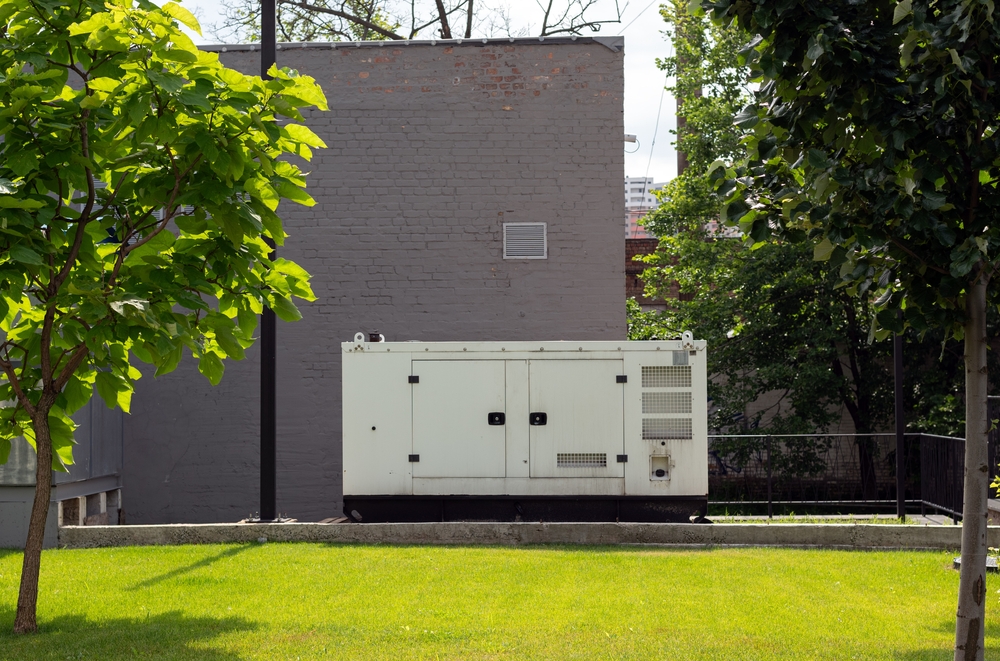
Schools rely on a continuous and reliable power supply every day. From classroom technology and IT systems to security equipment, catering facilities and emergency lighting, electricity plays a critical role in maintaining a safe and productive learning environment. Unfortunately, power outages can occur unexpectedly due to severe weather, grid failures, maintenance issues, or local infrastructure problems. When they do, the disruption can affect teaching, administration, safeguarding procedures, and even student welfare.
At National Generator Sales, we provide innovative and reliable power generation solutions designed to help organisations maintain operations when the mains supply is unavailable. With over 45 years of experience in power generation, we supply high-quality diesel generators, gas generators, Stage V generators, battery and hybrid power systems, and bespoke generator solutions tailored to individual requirements. Our experienced team works closely with clients to develop dependable backup power strategies that deliver peace of mind and operational resilience.
In this blog post, we will explore the importance of backup power planning for schools, what an effective backup power strategy should include, key considerations for educational facilities, and how professional power generation solutions can help schools remain operational during unexpected outages. For more information, please contact us today!
Building Resilience Through Smart Backup Power Planning
Backup power planning is the process of preparing a facility to maintain essential operations when the primary electricity supply fails. Rather than reacting to power outages after they occur, schools can proactively identify critical systems, assess risks, and implement solutions that ensure continuity.
A well-designed backup power plan allows schools to continue operating safely during electrical disruptions. Whether the outage lasts a few minutes or several hours, backup power systems provide the electricity needed to keep essential services running.
For educational establishments, backup power planning is particularly important because it helps protect:
- Student safety and welfare
- Critical communication systems
- Security and access control systems
- Fire alarms and emergency lighting
- ICT infrastructure and servers
- Kitchen and catering operations
- Heating and ventilation systems
- Administrative functions and records
Without an effective plan, even a short-term power outage can result in significant disruption, lost learning time, and potential safety concerns.
Backup power planning is not simply about purchasing a generator. It involves understanding power requirements, assessing risks, identifying critical loads, establishing maintenance procedures, and ensuring systems comply with relevant regulations. By taking a strategic approach, schools can improve resilience, minimise disruption, and maintain a safe environment for students, staff, and visitors.
Creating a Comprehensive Power Continuity Strategy
Backup power planning includes several interconnected elements that work together to ensure reliable performance during an outage.
Risk Assessment
The first stage involves evaluating potential risks that could affect the school’s power supply. This may include:
- Local grid vulnerabilities
- Severe weather conditions
- Ageing infrastructure
- Construction work nearby
- Seasonal power demand fluctuations
Understanding these risks helps determine the level of backup power required.
Critical Load Identification
Not every system within a school needs emergency power. Schools should identify which systems are essential for safety and operations.
Examples include:
- Emergency lighting
- Fire alarm systems
- CCTV and security systems
- IT servers
- Communication networks
- Medical equipment
- Heating and ventilation systems
Prioritising these loads helps optimise generator sizing and efficiency.
Generator Selection
Choosing the right backup generator is a crucial component of planning. Factors that influence selection include:
- Required power output
- Fuel type
- Runtime requirements
- Site constraints
- Environmental considerations
- Future expansion plans
A professional assessment ensures the chosen system can meet operational demands reliably.
Automatic Transfer Systems
Automatic Transfer Switches (ATS) enable seamless transition from mains power to generator power when an outage occurs. This minimises downtime and reduces disruption.
Fuel Management
Reliable fuel storage and monitoring procedures are essential for ensuring generators remain operational when required.
Schools should consider:
- Fuel storage capacity
- Refuelling arrangements
- Fuel quality management
- Emergency supply agreements
Maintenance and Testing
Backup power systems must be maintained regularly to ensure they perform when needed.
Maintenance programmes typically include:
- Routine inspections
- Load testing
- Fuel checks
- Battery inspections
- System diagnostics
Staff Training
Relevant staff should understand emergency procedures and know how backup power systems operate. Training improves response times and reduces operational risks during power outages.
By bringing together these key elements, schools can create a robust and reliable backup power strategy that supports both safety and operational continuity. A comprehensive approach not only reduces the impact of unexpected outages but also provides reassurance that essential systems will remain functional when they are needed most.
Backup Power Planning for Schools: What You Need to Know
Schools face unique operational challenges when planning for backup power. Unlike many commercial facilities, educational environments must balance safety, safeguarding, learning continuity, and operational efficiency. Developing a comprehensive backup power strategy requires careful consideration of the school’s specific needs, infrastructure, and future requirements.
Prioritise Student Safety
Student safety should always be the primary objective.
Backup power systems should support:
- Emergency lighting
- Fire detection systems
- Public address systems
- Security systems
- Access control systems
These systems help ensure safe evacuation procedures and maintain security during power failures.
Protect Digital Learning Resources
Modern classrooms rely heavily on technology.
Many schools use:
- Interactive whiteboards
- Learning management platforms
- Cloud-based applications
- Computer suites
- Wireless networks
Backup power can help prevent data loss and minimise disruption to digital learning activities.
Safeguard Communication Systems
Effective communication becomes even more important during emergencies.
Schools should ensure backup power supports:
- Telephone systems
- Internet connectivity
- Internal communication networks
- Emergency contact systems
Maintaining communication allows staff to coordinate effectively and keep parents informed.
Consider Heating and Ventilation Requirements
Many school buildings depend on electrically controlled heating and ventilation systems.
Loss of these systems can impact:
- Classroom comfort
- Air quality
- Student concentration
- Health and well-being
Backup power can help maintain suitable learning conditions during extended outages.
Support Catering Facilities
School kitchens often rely on electrical equipment for food preparation, refrigeration, and storage.
Power interruptions may result in:
- Food spoilage
- Service disruption
- Additional operational costs
Providing backup power for catering facilities can help maintain meal services and protect food safety standards.
Ensure Security Remains Operational
Security systems should continue functioning even when mains power is unavailable.
Important systems include:
- CCTV cameras
- Intruder alarms
- Electronic access control
- Perimeter security systems
Reliable backup power helps maintain safeguarding measures throughout the outage.
Assess Future Growth
Schools often expand over time through:
- New classrooms
- Additional facilities
- Increased technology usage
- Enhanced infrastructure
When selecting backup power equipment, future growth should be considered to avoid costly upgrades later.
Understand Generator Sizing
Oversized generators may result in unnecessary costs, while undersized systems may fail to meet demand.
Professional load analysis ensures the generator provides adequate capacity for essential operations without excessive expenditure.
Plan for Extended Outages
Some power interruptions can last longer than anticipated.
Schools should consider:
- Extended fuel storage
- Refuelling arrangements
- Maintenance support
- Emergency response procedures
Preparation for prolonged outages improves resilience and operational continuity.
Meet Regulatory Requirements
Educational facilities must comply with various safety and operational regulations.
Professional backup power planning helps ensure compliance while supporting safe and reliable operation.
Schedule Regular Testing
Backup systems should be tested routinely to confirm functionality.
Regular testing helps identify issues before emergencies occur and provides confidence that equipment will perform when required.
Work with Experienced Specialists
The complexity of school infrastructure makes professional guidance invaluable.
Experienced power generation specialists can assess requirements, recommend suitable solutions, and ensure systems are designed for maximum reliability.
A carefully planned backup power strategy enables schools to minimise disruption, protect critical operations, and maintain a safe environment during power interruptions. By taking a proactive approach, educational facilities can enhance resilience and safeguard learning continuity for students and staff alike.
Things To Consider
Budget Requirements
Schools should balance initial investment costs with long-term operational benefits and risk reduction.
Available Space
Generator installation requires adequate space for equipment, maintenance access, ventilation, and fuel storage.
Noise Levels
Schools may need low-noise solutions to minimise disruption to nearby classrooms and surrounding communities.
Environmental Impact
Many educational institutions are pursuing sustainability objectives. Modern generator technologies and hybrid power systems can support environmental goals while maintaining reliability.
Fuel Type
Different fuel options offer varying benefits regarding availability, efficiency, emissions, and operational costs.
Maintenance Support
Regular servicing is essential for reliability. Schools should ensure ongoing maintenance support is available.
Runtime Requirements
Understanding how long critical systems need to operate during an outage helps determine appropriate generator capacity and fuel storage requirements.
Site-Specific Challenges
Every school is different. Building layouts, infrastructure limitations, and operational priorities should all influence backup power planning decisions.
How can we help?
At National Generator Sales, we understand the critical importance of reliable backup power for educational facilities.
With more than 45 years of experience in power generation, we provide tailored solutions designed to meet the unique requirements of schools and educational establishments.
Our services include:
Diesel Generators
Our diesel generators range from 6 kW to 4000 kW and are designed to deliver dependable backup power with exceptional reliability and performance.
Gas Generators
We supply advanced gas-powered systems that provide efficient and dependable power generation for a variety of applications.
Stage V Generators
Our environmentally conscious Stage V generators meet the latest emissions regulations while delivering reliable performance.
Battery and Hybrid Power Systems
Our innovative battery and hybrid solutions combine renewable energy sources and intelligent energy management technologies for sustainable power generation.
Custom Generator Solutions
Every school has unique requirements. We provide bespoke generator sets designed around specific site conditions, operational needs, and future growth plans.
Additional Support Services
Through our sister company, Engineering Electrics, we can also provide:
- Generator installation
- Generator specialists
- Control systems and switchgear
- Load bank testing
- Generator testing
- Ongoing support services
Our experienced team works closely with every client to develop reliable backup power strategies that provide long-term operational resilience. For more information, please contact us today!
In Conclusion
Power outages can have significant consequences for schools, affecting safety, learning continuity, communication, security, and day-to-day operations. Effective backup power planning enables educational facilities to minimise disruption and maintain essential services when mains electricity is unavailable.
By identifying critical systems, assessing risks, selecting appropriate equipment, and implementing robust maintenance procedures, schools can significantly improve resilience and preparedness.
Partnering with experienced power generation specialists ensures that backup power systems are tailored to the school’s specific requirements and capable of delivering dependable performance when it matters most.
Investing in backup power planning today helps protect students, staff, infrastructure, and educational continuity tomorrow. Get in touch with us today for more information!
FAQs
Why is backup power important for schools?
Backup power helps maintain safety systems, communications, IT infrastructure, and essential services during power outages.
What causes power outages in schools?
Common causes include severe weather, grid failures, infrastructure faults, maintenance work, and local electrical disruptions.
What systems should receive priority backup power?
Emergency lighting, fire alarms, security systems, communications, servers, and critical operational equipment should typically be prioritised.
How long can a backup generator run?
Runtime depends on generator size, fuel capacity, and power demand. Many systems can operate for extended periods with appropriate fuel management.
How often should generators be tested?
Regular testing schedules vary, but monthly inspections and periodic load testing are commonly recommended.
Are backup generators environmentally friendly?
Modern Stage V generators and hybrid systems offer improved efficiency and reduced emissions compared with older technologies.
Can backup power systems be customised for schools?
Yes. Bespoke solutions can be designed to meet specific operational, infrastructure, and budget requirements.
How do schools determine the correct generator size?
A professional load assessment identifies essential power requirements and helps select the most suitable generator capacity.
Contact National Generator Sales Today
If you are looking to improve your school’s resilience and ensure uninterrupted access to critical services during power outages, National Generator Sales is here to help. Contact National Generator Sales today for a FREE consultation and no-obligation quotation and discover how we can help keep your school powered, protected, and prepared for the future.